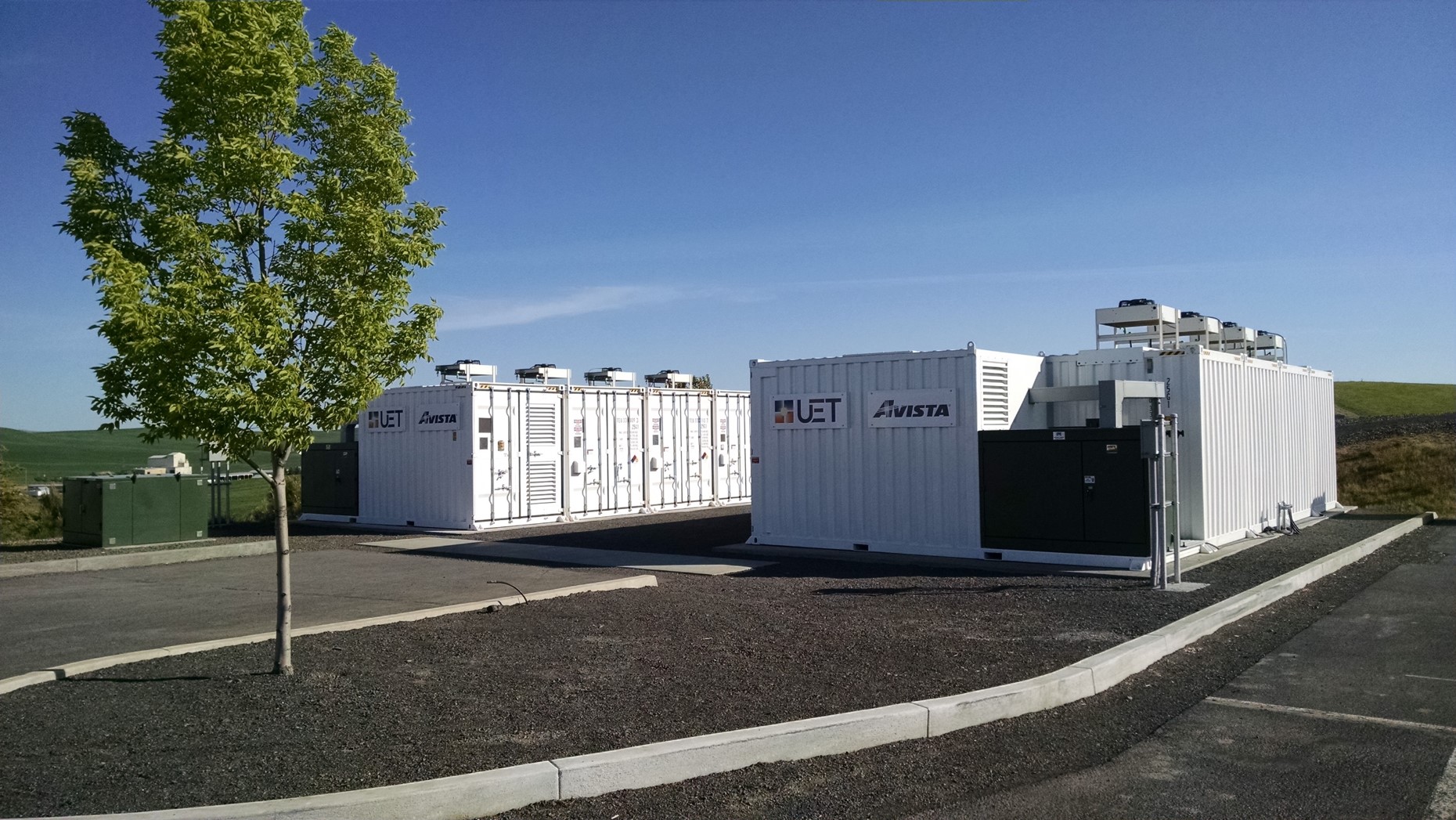
Battery trade is growing faster than almost anything else moving in a container right now. Chinese lithium battery exports hit roughly US$23.95 billion in the first quarter of 2026, up about 55% year on year, on around 1.3 billion units. Value grew nearly twice as fast as units, which tells you the mix is shifting from small cells toward large-format storage. That shift is where the commercial opportunity is, and most suppliers are still selling into the part of the market that is commoditising.
The 30-second version
- China exported about US$23.95 billion of lithium batteries in Q1 2026, 55% up on the year, on 1.3 billion units and 30% unit growth.
- Value per unit is rising, which means large-format storage cells, not consumer batteries.
- Europe takes over 41% of Chinese battery export value, the United States about 16.8%.
- Germany has overtaken the US as China's single largest battery export market.
- China still manufactures well over 80% of the world's batteries, so almost every buyer is managing the same concentration risk.
The import map
The United States and Germany are the two large buyers by value, with Mexico a distant but fast-growing third on the back of North American vehicle assembly.
Germany overtaking the United States as China's top destination is the single most useful fact in this trade. It reflects European grid storage procurement running ahead of American deployment, and it means the buyer set that matters most is European utilities, project developers and system integrators rather than automotive tier ones. Those are entirely different companies with different procurement rhythms, and most exporters are still calling the automotive list.
Three buyer types, three different sales
- Energy storage integrators buy cells and modules by project. Orders are lumpy, tied to grid connection dates, and specified around cycle life and warranty rather than price per kilowatt hour alone.
- Vehicle and equipment makers qualify over long cycles and then buy steadily for years. Hard to enter, extremely sticky, and increasingly interested in supply that is not concentrated in one country.
- Distributors and pack assemblers buy standard formats continuously and switch suppliers readily. This is the entry point for most new exporters, and the volumes are larger than people assume.
Shipment records separate these three cleanly. Project-driven buyers show irregular large arrivals clustered around delivery dates. Assemblers show steady monthly flow. Vehicle makers show high-volume, single-origin consistency.
A battery buyer's arrival pattern tells you their business model before anybody answers the phone. Lumpy means projects. Steady means assembly.
The concentration everyone is quietly working on
With over eighty percent of world production in one country, every serious buyer has a board-level question about supply concentration. That has not stopped them buying, and it will not, because the alternative capacity does not exist at price. What it has done is make buyers actively interested in qualifying second sources, including Korean, Japanese, Polish and increasingly Southeast Asian production.
Export controls have sharpened that. When any supplying country adjusts its export regime, buyers respond by widening their approved vendor list rather than by switching wholesale. For a supplier outside the dominant origin, that is the opening: you are not being asked to replace anyone, you are being asked to exist as an alternative. That is a much easier sale.
Shipping and compliance, which is not a footnote here
Lithium batteries are dangerous goods. UN38.3 test summaries, correct packing instructions, state of charge limits and the right dangerous goods declarations are the qualifying conditions for a shipment to move at all, and a surprising share of failed first orders in this trade are logistics failures rather than commercial ones.
It also changes who your buyer's freight partner can be, which in turn affects lead time and landed cost. Exporters who can demonstrate clean dangerous goods documentation win business from those who leave it to the buyer to figure out. If you are new to the paperwork side generally, the export documentation guide covers the underlying set.
Where the 2026 opportunity sits
Three openings. European grid storage is the fastest-growing large buyer pool and it is buying on delivery certainty, not on being cheapest. Mexico is scaling on the back of North American assembly and has a thinner incumbent supplier base than either the US or Germany. And the Gulf has started procuring utility-scale storage seriously, with Saudi Arabia appearing among the larger importers by tonnage, which is a market almost nobody in this trade has mapped properly. Saudi import activity is worth a look if you sell storage systems.
The fourth, quieter one: as European and American buyers diversify, the second-tier exporters in Korea, Japan and Poland are themselves looking for component and cell supply. Selling into the alternative supply chain is often easier than selling against the dominant one.
Warranty and cycle life do the selling
In storage applications the purchase decision is a financial model, not a product comparison. The buyer is calculating cost per usable kilowatt hour across the asset's life, and the two inputs that dominate that model are cycle life and the warranty that stands behind it.
A cell rated for six thousand cycles at eighty percent depth of discharge is worth substantially more than one rated for four thousand, even at a meaningfully higher price, because the difference compounds across the project's life. But the rating only matters if the warranty is credible, which means the buyer is also assessing whether your company will exist in year ten and whether the warranty is backed by anything they could actually claim against.
This is why smaller suppliers lose deals they should win on specification. The practical counter is third-party test data, a warranty administered through an entity the buyer recognises, and reference installations they can verify. Lead with those and the price conversation gets easier, not harder.
How ShipScout helps
Market forecasts tell you storage demand is growing. They do not name the integrator who just took delivery of forty containers. ShipScout does, with 11B+ shipment records across 240+ countries:
- Find battery importers by market and format, ranked by volume, with arrival patterns that reveal how they buy.
- See which origins each buyer uses and catch the ones adding a second source right now.
- Track project-driven buyers whose lumpy arrivals mark grid storage build-outs before they are announced commercially.
- Pull decision-maker contacts where available and open with their own import record.
Start a free trial and map the buyers for your cell format.
See who’s importing lithium batteries right now.
ShipScout turns 11B+ shipment records across 240+ countries into a live list of verified buyers and suppliers, ranked by volume, with the contacts to reach them. Create a free account and run your first search in minutes.
Start your free trial →