A container of goods can sit at Jeddah for weeks because a supplier applied for the wrong certificate. That is the ordinary failure mode with the SABER certificate, Saudi Arabia's conformity platform, and it is almost always a classification problem rather than a quality problem. The product was fine. The HS code entered on the platform pulled up a technical regulation the product was never tested against, so the shipment certificate was refused, and by then the goods were already on the water. This guide sets out how SABER works, which certificate does what, what it costs, and where exporters lose time.
The 30-second version
- SABER issues two things: the PCoC for the product, valid one year, and the SCoC for the shipment, issued per bill of lading and single use.
- Every product entering Saudi Arabia must be registered on SABER, regulated or not. Non-regulated goods take a self-declaration.
- Platform fees are roughly SAR 500 for the PCoC and SAR 350 per SCoC, before VAT, testing and conformity-body fees.
- The HS code you enter selects the technical regulation. Get it wrong and you are certified against the wrong standard.
- Saudi imports rose 4.7% year on year in Q4 2025, with machinery and electrical equipment alone at 30.7% of the total.
What is a SABER certificate?
SABER is the online platform run under the Saudi Standards, Metrology and Quality Organization through which all goods entering the Kingdom are registered and cleared for conformity. It replaced the old paper certificate of conformity regime, and it is the gate customs checks against. No valid shipment certificate, no release.
The platform issues two distinct documents and confusing them is the most common error:
| PCoC | SCoC | |
|---|---|---|
| Covers | The product | One consignment |
| Validity | 1 year | Single use, per bill of lading |
| Issued by | SASO-approved conformity body | Platform, once PCoC is valid |
| Needed before shipping | ✓ | ✓ |
| Reusable next shipment | ✓ | — |
A supplier who tells you they "have SABER" usually means they hold a PCoC. That covers the product for the year. It does nothing for the box currently sitting on a vessel, which needs its own SCoC tied to that bill of lading.
How do you get a SABER certificate?
- Register on the platform as importer or authorised representative. The Saudi importer, not the overseas factory, usually holds the account.
- Classify the product by HS code. This step determines which SASO technical regulations apply. Everything downstream depends on it.
- Apply for the PCoC through a SASO-approved conformity assessment body, submitting test reports, technical files, labelling and photographs.
- Apply for the SCoC once the PCoC is live, matching the commercial invoice line by line.
- Clear customs with the SCoC referenced on the declaration.
Straightforward products with existing test reports move in a few working days. Products needing fresh laboratory testing take weeks, and that is the timeline that breaks shipping schedules. Start the PCoC before you confirm the sailing, not after.
What does a SABER certificate cost?
The platform fees are small: around SAR 500 for the annual product certificate and SAR 350 for each shipment certificate, excluding VAT. The real cost sits elsewhere. Conformity body service fees vary by technical category, and laboratory testing for a regulated product can run into thousands of riyals. Reported product certificate fees across regulatory categories run from roughly AED 660 to AED 2,200 depending on category.
Set against a demurrage bill on a held container, all of it is noise. The economics of SABER are entirely about not being wrong.
Where do shipments actually get stuck?
Four recurring causes, in rough order of frequency:
- Wrong HS code on the platform, pulling the wrong technical regulation.
- PCoC and invoice mismatch: model numbers, brand spelling or quantity descriptions that do not line up exactly.
- Expired PCoC discovered when the SCoC application fails, because nobody diarised the annual renewal.
- Arabic labelling missing or non-compliant, which is a separate requirement the platform will not catch for you.
The certificate is not the compliance. The certificate is proof that somebody checked. If the product changed since the test report, the paperwork is valid and the shipment is still wrong.
Which port should you ship to?
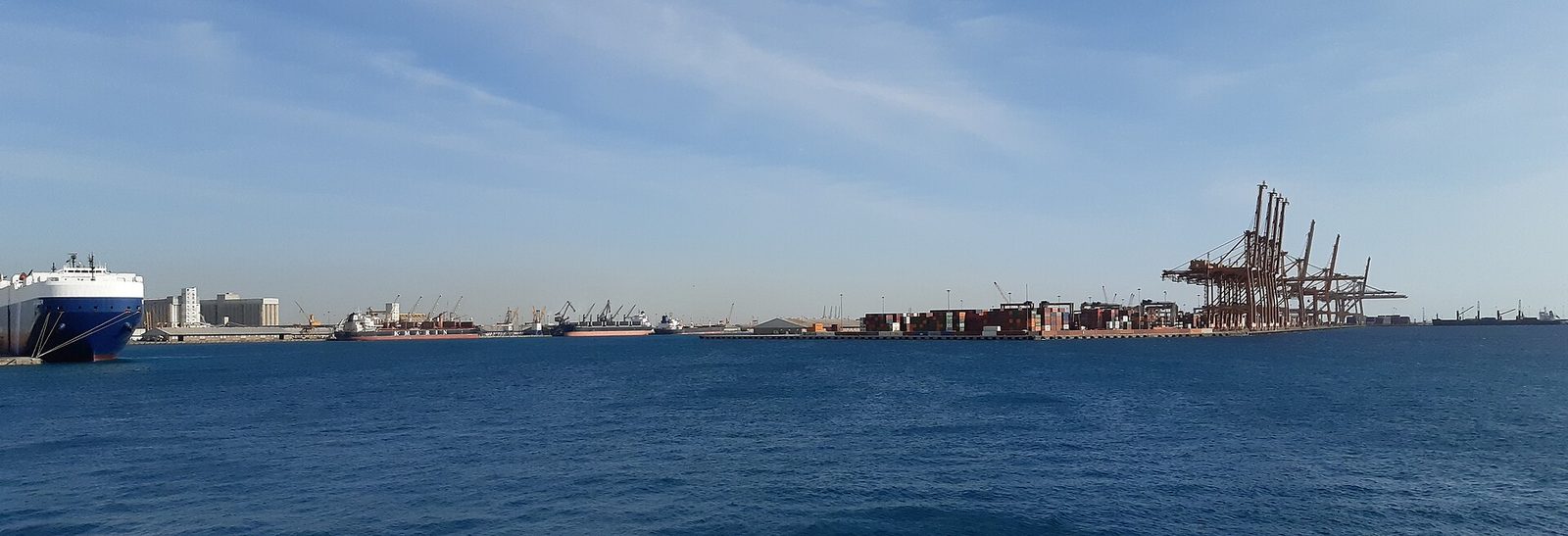
Entry point matters more in Saudi Arabia than most exporters assume, because inspection practice and congestion differ. King Abdulaziz Seaport in Dammam handled 25.1% of imports in Q4 2025 and Jeddah Islamic Seaport 21.7%, with the top five gateways together taking 79.3% of all merchandise imports, per GASTAT's international trade report. Air freight is a bigger share than people expect: Riyadh's King Khalid International Airport alone took 15.1%.
If you are selling into the Eastern Province, Dammam is the natural gate. For the western region and re-export into Africa, Jeddah. For high-value electronics on short lead times, the Riyadh air gateway is doing more volume than any single seaport outside the top two.
Who is buying?
China supplied 27.2% of Saudi imports in Q4 2025, the United States 8.7% and the UAE 5.7%. Machinery and electrical equipment took 30.7% of the import bill and grew 23.0% year on year, while transport equipment took 14.2%. For an exporter, that concentration is the opportunity: the buyers are identifiable, they import repeatedly, and their supplier lists are visible in shipment records.
How ShipScout helps
SABER tells you how to ship. It does not tell you who to ship to. ShipScout covers that side with 11B+ shipment records across 240+ countries:
- Find Saudi importers already buying your product by searching your HS code with Saudi Arabia as destination, then filter by shipment frequency to separate traders from real end users.
- See who they buy from now, including origin, volume and how long the relationship has run, so you know what you are displacing.
- Check the port they clear through, which tells you the region they sell into and the logistics they already run.
- Pull decision-maker contacts where available and open with their own import history rather than a cold pitch. Related reading: the UAE CEPA network and Qatar, Kuwait and Oman importers.
Get the certificate right, then aim it at buyers who already import what you make. Start a free trial and search your HS code into Saudi Arabia.
See who’s importing Saudi Arabia import compliance right now.
ShipScout turns 11B+ shipment records across 240+ countries into a live list of verified buyers and suppliers, ranked by volume, with the contacts to reach them. Create a free account and run your first search in minutes.
Start your free trial →