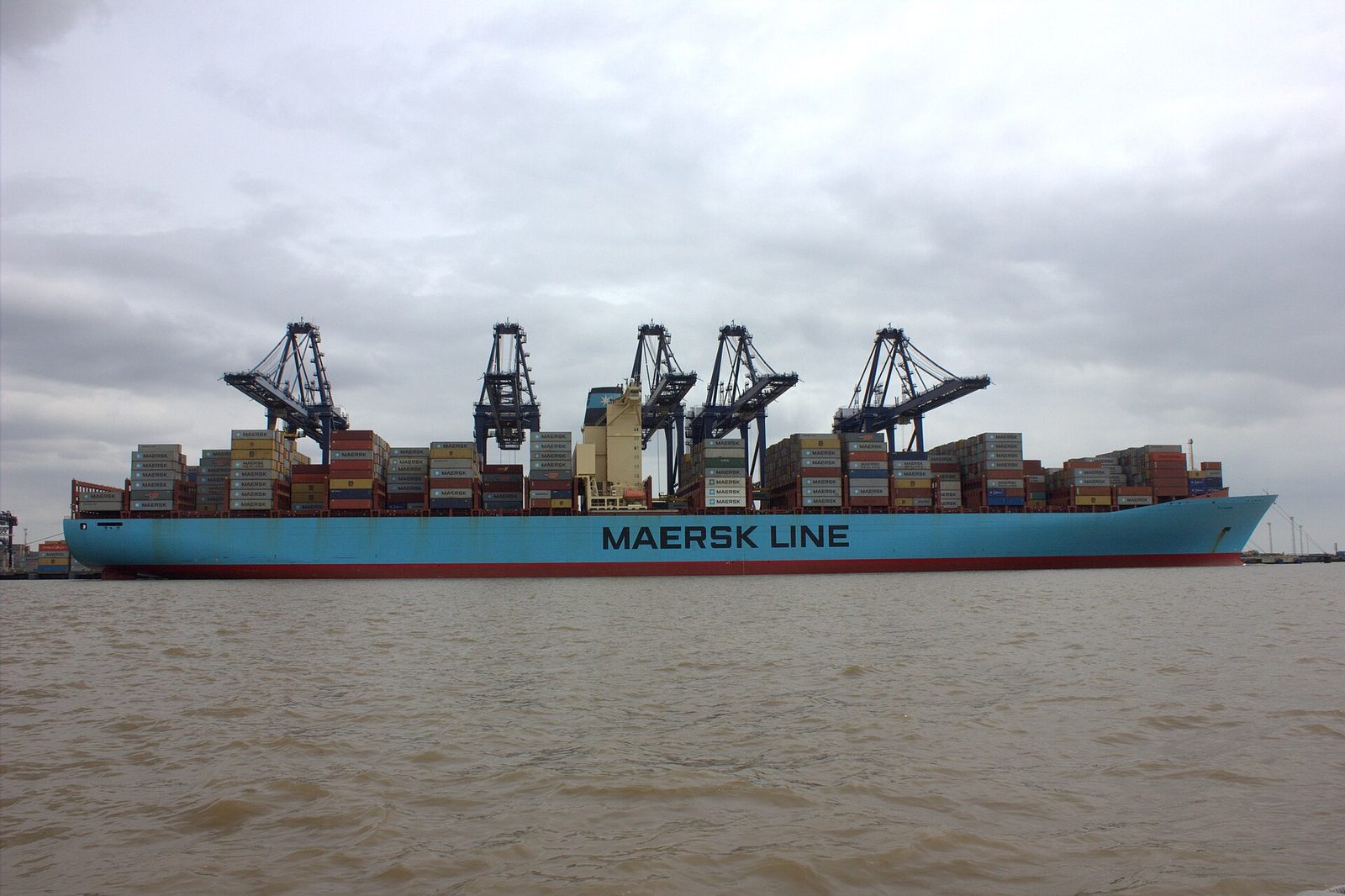
Most people work out UK import duty wrong in the same two places. They apply the duty rate to the invoice value instead of the customs value, and they forget that import VAT is charged on the duty as well as on the goods. On a £10,000 order those two mistakes are worth several hundred pounds, which is usually the difference between a deal that works and one that does not. This guide walks the calculation in the order HMRC does it, covers the rules that change in 2026, and shows where the rate you pay is a choice rather than a fixed cost.
The 30-second version
- Duty is charged on the customs value: goods plus freight and insurance to the UK border, not the invoice total.
- Import VAT at 20% is charged on customs value plus duty, so duty is taxed twice over.
- Rates come from the UK Global Tariff: clothing around 12%, footwear up to about 17%, cars 10%, most electronics and machinery 0%.
- Postponed VAT Accounting removes the VAT cash outlay entirely for VAT-registered importers. Use it.
- The £135 customs duty relief on low-value consignments is being removed, with the government committing to abolish it by 2029 at the latest.
How do you calculate UK import duty?
Four steps, in this order. Get the sequence wrong and every number after it is wrong.
- Establish the customs value. Transaction value under WTO rules: the price paid, plus freight and insurance to the point of entry. That is the CIF value. If you bought FOB, you add the freight yourself.
- Find the duty rate for your commodity code in the UK Trade Tariff, checking whether a preference applies for that origin.
- Calculate duty as customs value multiplied by the rate.
- Calculate import VAT at 20% on customs value plus duty plus certain other charges.
The compounding in step four surprises people. Duty enters the VAT base, so a 12% duty rate costs you 12% plus another 2.4% in VAT on that duty. Effective drag on a dutiable import is higher than the headline rate.
The chart runs a £10,000 order with £800 of freight and insurance at a 12% clothing rate. Customs value is £10,800, duty is £1,296, and import VAT lands on £12,096 rather than £10,800. Total to clear: £14,515 against a £10,000 invoice. Freight, which most buyers treat as a logistics line, added £96 of duty before it added anything to VAT.
What are the UK Global Tariff rates?
Since 1 January 2021 the UK has run its own schedule, independent of the EU common external tariff. Rates vary enormously by category, which is why a single "import duty percentage" for your business is a fiction.
| Category | Typical UKGT rate |
|---|---|
| Clothing and apparel | 12% |
| Footwear | 3% to 17% |
| Passenger cars | 10% |
| Ceramics and homeware | up to 12% |
| Laptops, phones, cameras | 0% |
| Most industrial machinery | 0% |
Two conclusions follow. If you import electronics or machinery, duty is rarely your problem and freight and VAT timing are. If you import consumer goods, the commodity code is a commercial decision with real money attached, and it deserves the attention you give to a price negotiation.
Anti-dumping duty is where the damage happens. It sits on top of the normal rate, is origin-specific, and can exceed the value of the goods. Check it before you sign, not when the entry is rejected.
Do I pay import VAT if I am VAT registered?
You account for it, but you do not have to fund it. Postponed VAT Accounting lets a VAT-registered importer declare import VAT on the VAT return instead of paying it at the border, recording it as both output and input tax. Net cost is nil in the same period, and the cash never leaves the business. For an importer running £2m a year of goods, that is roughly £400,000 of working capital that stays put. Businesses still paying import VAT at the border in 2026 are usually doing it because nobody told the broker to elect PVA on the declaration.
What is changing for low-value imports?
Goods at or below £135 currently escape customs duty, with VAT collected at the point of sale by the seller or marketplace instead. That relief is going. The government has committed to removing customs duty relief on low-value imports, with abolition confirmed by 2029 at the latest and industry expecting movement sooner. The EU has already acted, replacing its own €150 threshold on 1 July 2026, covered in the EU de minimis removal guide.
If your model depends on splitting orders under £135, model the version where it does not work. Direct-to-consumer sellers shipping from Asia into Britain are the exposed group, and the change is a pricing problem, not a customs one.
Where the rate is actually a choice
Three levers move the number, and all three are sourcing decisions rather than paperwork:
- Origin. A preferential agreement can take a 12% rate to zero if you can evidence origin. The UK-India CETA cut average duties on Indian goods from 15% to 3% from July 2026.
- Commodity code. Adjacent codes carry different rates, and misclassification runs in both directions. HMRC audits the direction that costs you.
- Incoterm. Buying DDP hides duty inside a supplier's price where you cannot audit it. Buying FOB or DAP exposes it. See Incoterms 2020.
A homeware importer we came across had been paying 12% on ceramic tableware from two origins for three years. One of those origins had a preference available the whole time. Nobody had checked, because the freight forwarder quoted landed cost as a single number and the finance team reconciled to the quote.
How ShipScout helps
Duty planning starts with knowing who else ships your code and from where. ShipScout puts 11B+ shipment records across 240+ countries behind that question:
- Search your commodity code with the UK as destination and see every origin currently supplying it, so you can test preference-eligible alternatives against real suppliers rather than a theory.
- Rank suppliers by UK shipment history, because a supplier who ships into Britain weekly already knows how to produce the origin evidence a preference claim needs.
- Compare what your competitors pay for by looking at their declared origins on the same codes.
- Pull decision-maker contacts where available and open with their own trade record. Company-level UK flows are in UK import data by company.
Duty is a number you can negotiate down by changing where you buy. Start a free trial and see which origins are already supplying your codes into the UK.
See who’s importing UK import duty and VAT right now.
ShipScout turns 11B+ shipment records across 240+ countries into a live list of verified buyers and suppliers, ranked by volume, with the contacts to reach them. Create a free account and run your first search in minutes.
Start your free trial →