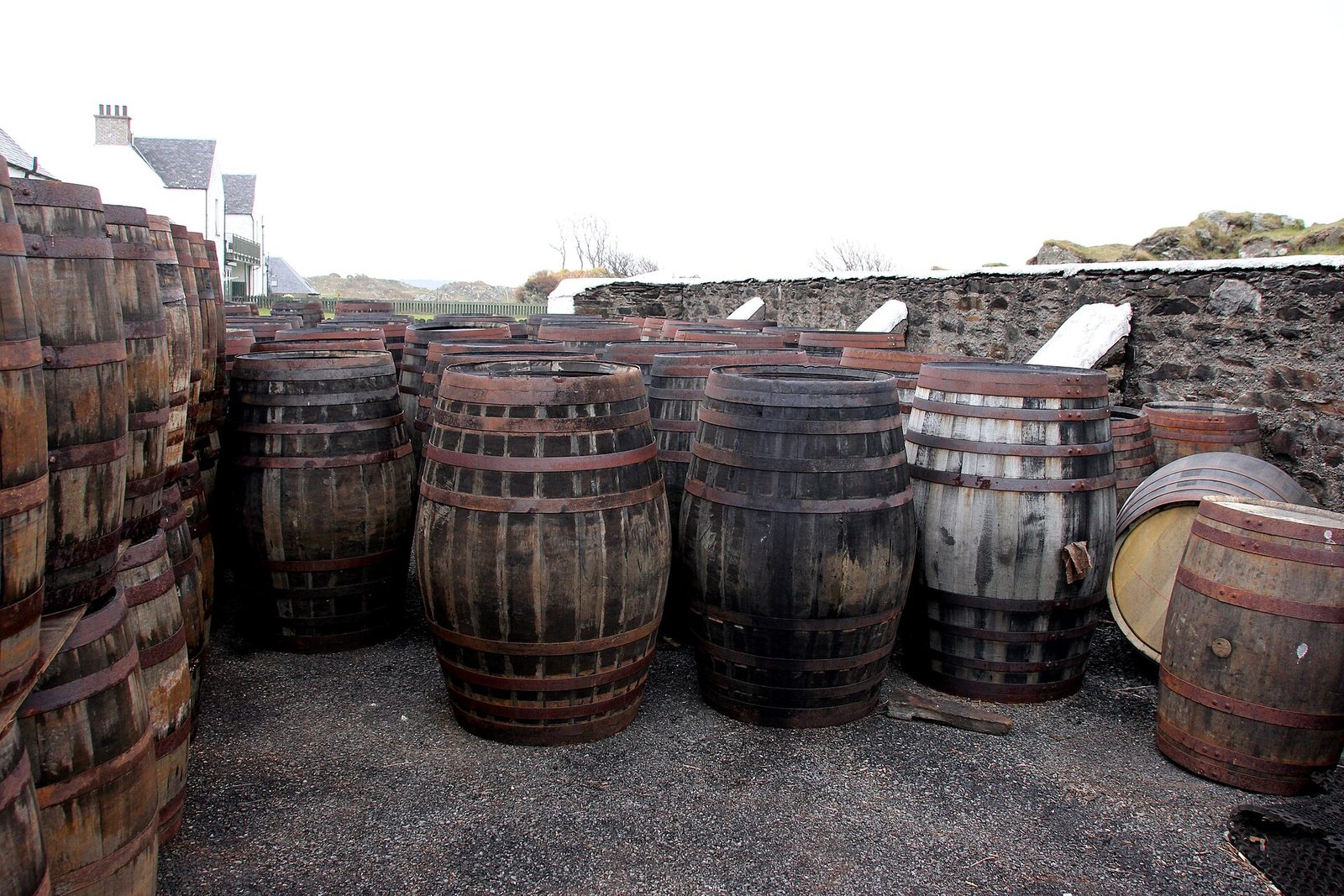
The UK India trade deal came into force on 15 July 2026, and the tariff schedule changed overnight. Scotch whisky entering India dropped from 150% duty to 75% that morning, on a path to 40% over ten years. India's average tariff on UK goods falls from about 15% to 3%. In the other direction, close to 99% of Indian goods now enter the UK duty free or at reduced rates. Bilateral trade was worth around £48 billion in 2025 and the agreement is projected to add £25.5 billion to it. This guide covers what the UK India trade deal actually changes, which sectors move first, what proving origin requires, and how to find the counterparties on the other side.
The 30-second version
- The Comprehensive Economic and Trade Agreement (CETA) entered into force 15 July 2026.
- 99% of Indian tariff lines to the UK go duty free or reduced; 64% of UK lines enter India duty free at day one, rising to 85% within a decade.
- Estimated duty savings for UK exporters: £400 million at entry into force, £900 million after ten years.
- Whisky 150% → 75% immediately, then 40% by year ten. Cars fall from over 100% to 10% inside a quota.
- Projected effect: +£25.5 billion bilateral trade, +£4.8 billion UK GDP and +£5.1 billion Indian GDP a year.
When did the UK India trade deal come into force?
15 July 2026. The agreement was signed in July 2025 and took a year to ratify on both sides, with the UK's Integrated Online Tariff publishing the new preferential rates two days ahead of the switch. From that date, preferential duty applies to qualifying goods with valid proof of origin, and not before.
That last clause does more damage than any other part of the deal. Goods that shipped in June and cleared in August do not get the rate. The tax point is the import declaration, so any consignment in transit across the changeover needs checking rather than assuming.
What are the new tariff rates?
The headline reductions on the Indian side:
| UK export to India | Tariff before | From 15 July 2026 |
|---|---|---|
| Scotch whisky and spirits | 150% | 75%, falling to 40% over 10 years |
| Cars (within quota) | Over 100% | 10% |
| All goods, average applied tariff | ~15% | ~3% |
Those figures come from India Briefing's breakdown of the alcohol schedule and the wider CETA FAQ for UK exporters. In the other direction, nearly 100% of Indian goods including textiles, leather, marine products, gems and jewellery, toys, chemicals, engineering goods and agri-products enter the UK at zero duty.
Which sectors gain most?
The UK government's own modelling puts automotive exports up 311% and spirits up 180%, the two categories that were sitting behind the highest Indian walls, per ODI's analysis at entry into force. Total UK exporter duty savings are put at around £400 million now, rising to £900 million after ten years.
For UK importers the gain is quieter but broader. Indian textiles, leather goods and engineering components landing at zero duty change the maths on sourcing that had been marginal at 8 to 12%. A UK homeware buyer who ruled out Indian suppliers three years ago on landed cost should rerun that comparison, because the duty line just went to zero.
Day one of an FTA is not when the benefit arrives. It arrives when your supplier can produce a proof of origin your broker will actually accept.
What do you need to claim the preferential rate?
Proof of origin, and the product genuinely has to qualify. Preferential tariffs apply to goods originating in the partner country under the agreement's rules of origin, not to anything that happens to ship from there. A Chinese-made component finished in Gujarat may or may not qualify depending on the change-of-tariff-heading or value-added test for that line.
The practical checklist:
- Confirm the commodity code on the UK Integrated Online Tariff and read the India preferential column, not the general one. Codes matter here more than usual: see how to find the right HS code.
- Check the rule of origin for that specific line. Different products, different tests.
- Get the origin declaration in the right form from your supplier before shipment, not after arrival.
- Keep the evidence. Preference claims get audited retrospectively, and a disallowed claim means paying the full rate plus interest.
- Recheck your Incoterm. Who claims the preference depends on who is importer of record: see Incoterms 2020.
How do you find UK or Indian counterparties under CETA?
Trade agreements redistribute existing flows before they create new ones. The fastest route to a real opportunity is to look at who is already trading the product, then work out who has just become cheaper or more competitive.
For a UK importer that means finding Indian suppliers with an existing UK or EU track record, because those firms already understand British documentation and testing requirements. For a UK exporter it means identifying Indian importers who currently buy your category from somewhere else, since a 12-point tariff swing is exactly the sort of thing that dislodges an incumbent supplier. The general method is set out in using shipment records to find buyers, and the UK-side flows in UK import data by company.
One UK distributor reran their supplier shortlist the week the deal landed and found their preferred Indian mill had shipped into the UK only twice in three years, while a competitor mill shipped monthly. They switched on documentation reliability, not price.
How ShipScout helps
ShipScout turns 11B+ shipment records across 240+ countries into a working shortlist for either side of the corridor:
- Search your product or HS code and see who has actually been shipping it between the UK and India, at what volume and how often.
- Rank counterparties by consistency, which is the best available proxy for whether they can handle preference paperwork.
- Track the incumbent. See which origins currently supply an Indian buyer, then pitch against the tariff change with data-backed targeting.
- Pull contacts where available and open with their own trade history rather than a cold introduction. Exporters can pair this with the UK export playbook.
The tariff schedule changed on 15 July. The supplier and buyer lists have not caught up yet, which is the whole opportunity. Start a free trial and map the corridor for your product.
See who’s importing goods between the UK and India right now.
ShipScout turns 11B+ shipment records across 240+ countries into a live list of verified buyers and suppliers, ranked by volume, with the contacts to reach them. Create a free account and run your first search in minutes.
Start your free trial →